


- Type:Medical Incubator
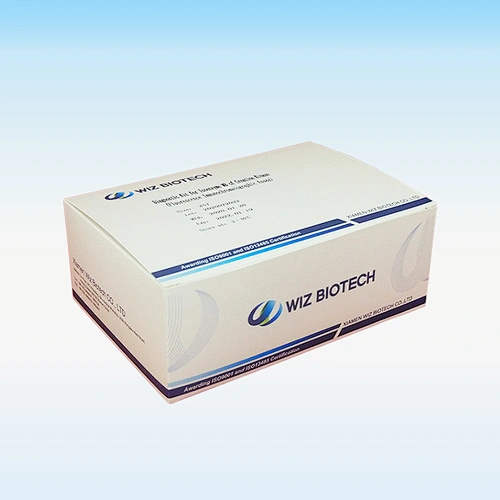
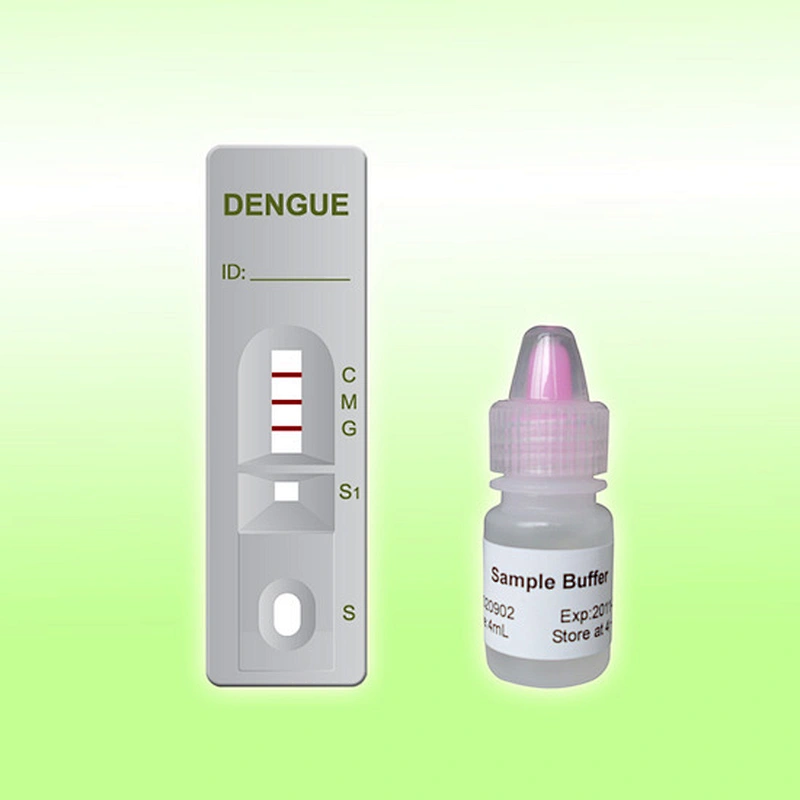
- Description:Dengue NS1 Antigen Rapid Test Kit Combo Card Test
- Usage:Home-testing
- Warranty:1 Year
- Power Source:Manual
- Warranty:1 Year
- After-sale Service:Onsite Training
- Material:Plastic
- Shelf Life:2 years
- Quality Certification:ce
- Instrument classification:Class I
- Safety standard:EN 149 -2001+A1-2009
- Place of Origin:CN;FUJ
- Model Number:WIZ-Dengue Ns1
- Brand Name:Diagnostic kit
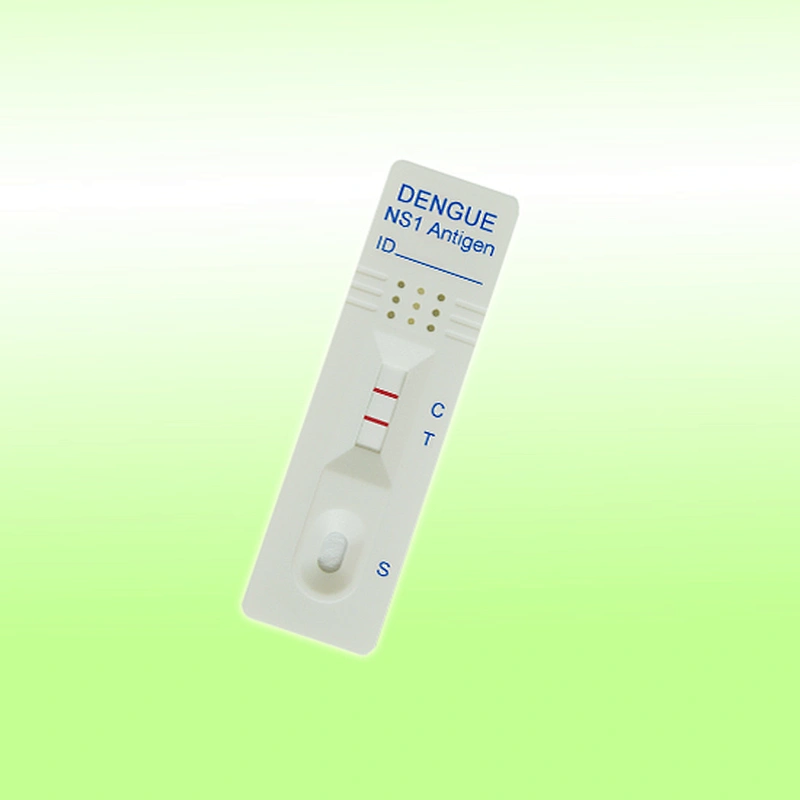
Dengue NS1 Antigen Rapid Test Kit Combo Card Test
Description
The Dengue NS1 Antigen Test is a qualitative test for the detection of dengue virus in human whole blood. This test is for in-vitro diagnostic use only.
NS1 is a highly conserved glycoprotein that is present at high concentrations in the sera of dengue. Infected patients during the early clinical phase of the disease.NS1 antigen is found from the first day up to 9 days after onset of fever in the sample of primary or secondary dengue infected patients.
Features
- High accuracy over 99.4%
- Relative Sensitivity 96.7%
- Relative Specificity 99.9%
- Read results in 15 minutes
Packaging
Box of 25T, Ctn of 1000T
Instruction for Use
INTENDED USE
Dengue antigen test cassette (whole blood) is a lateral flow immunoassay for the qualitative detection of dengue virus antigen in human serum or plasma. It is intended to be used as a screening test and as an aid in the dia-
-gnosis of infection with dengue viruses. This test provides only a preliminary test result. Therefore more specific alternative diagnosis method must be used in order to obtain a confirmation of dengue infection.
PRINCIPLE
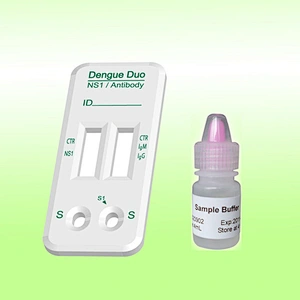
Dengue antigen test cassette (whole blood) is designed to detect dengue virus antigen in human serum or plasma. The test cassette consists of:
- a burgundy colored conjugate pad cost-
-gaining mouse anti-dengue NS1 antibody
conjugated with colloid gold (dengue antibody conjugates)
- a nitrocellulose membrane strip containing a test line(T line) and a control line(Cline). The T line is pre-coated with rabbit anti-dengue NS1 antibody, and the Cline is pre-coated with goat anti-mouse IgG antibody. The antibodies to dengue antigen recognize the antigens from
all of the four serotypes of the dengue virus.
When an adequate volume of the test specimen is dispensed into the sample well of the cassette, the specimen migrates
by capillary action across the test cassette. Dengue NS1 antigen if present in the specs-
-men will bind to the dengue antibody conjugates. The immunocomplex is then captured on the membrane by the pre-coated rabbit anti-NS1 antibody, forming a burgundy colored T line, indicating a dengue antigen positive test result. The absence of the T line suggests a negative result. The test contains an internal control (Cline) which should exhibit a burgundy colored line of the immunocomplex of goat anti-mouse IgG/mouse IgG-gold conjugate regardless of the presence of colored T line. Otherwise, the test result is invalid and the specimen must be retested with another device.
REAGENTS AND MATERIALS PROVIDED
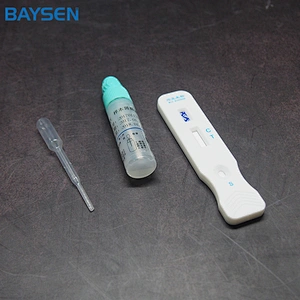
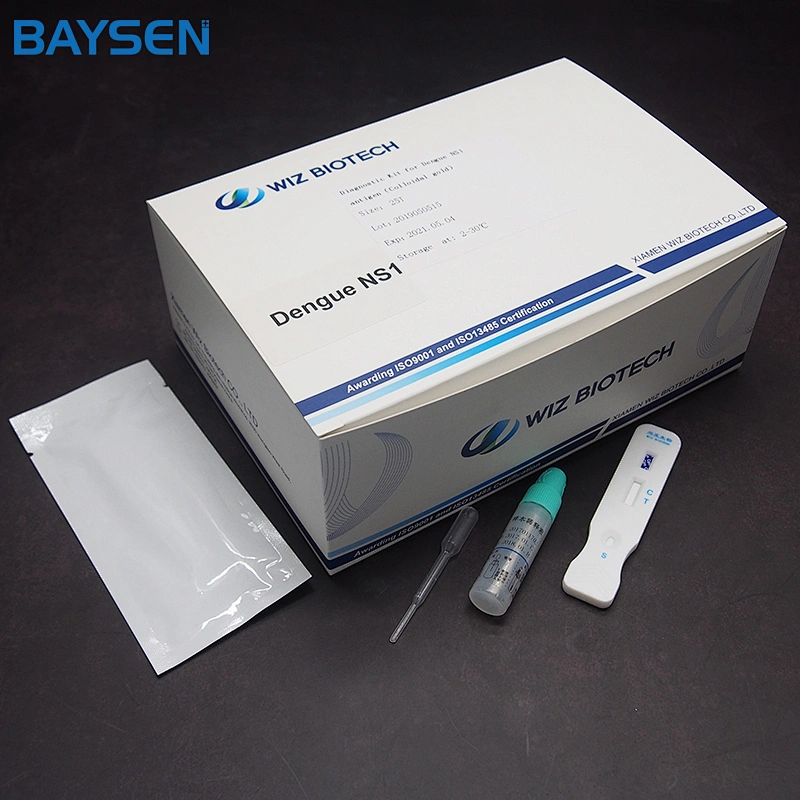
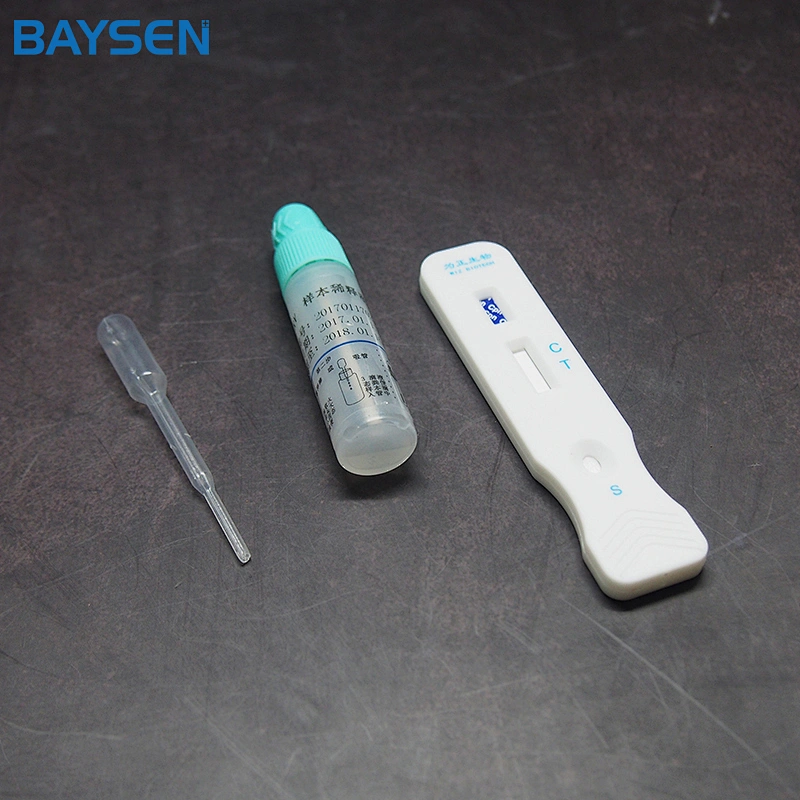
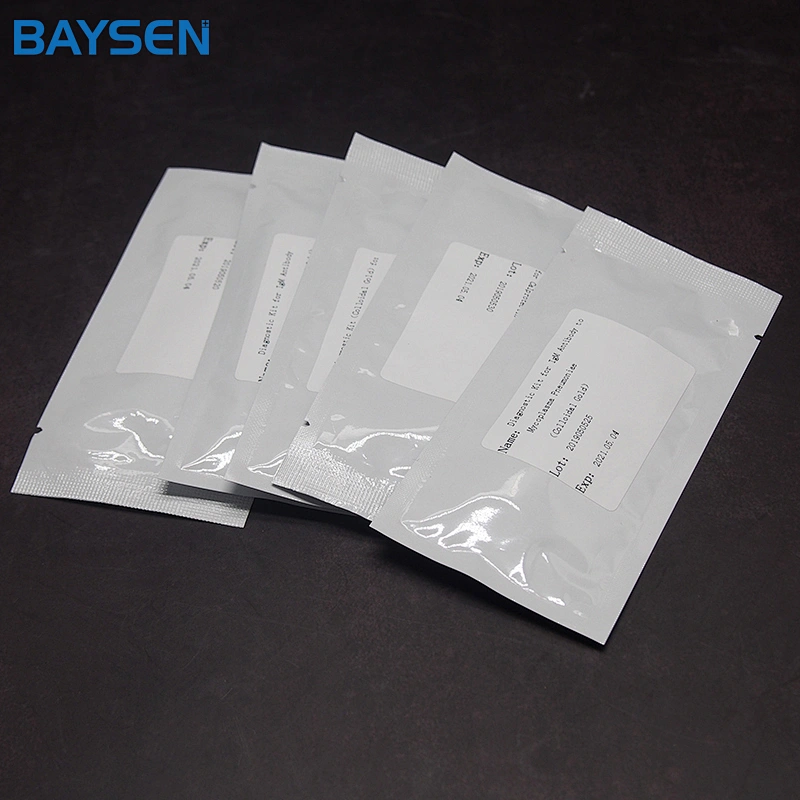
- Each kit contains 40 test devices, each sealed in a foil pouch with three items inside:
- One cassette device.
- One pipette dropper.
- One desiccant.
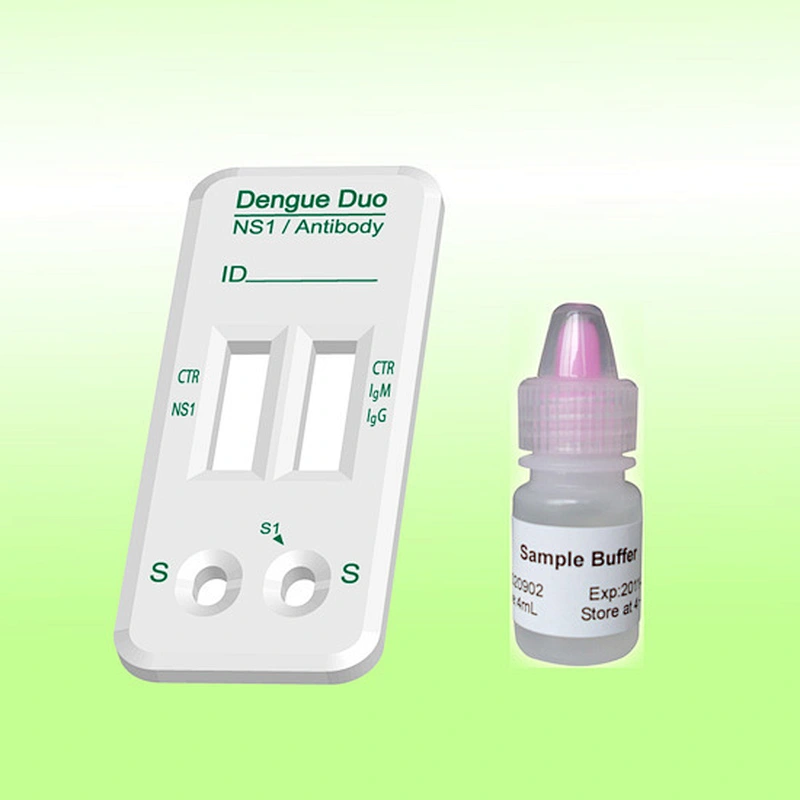
- Sample buffer solution (1 bottle, 5ml)
- One package insert (instruction for use).
SPECIMEN COLLECTION
For serum or plasma, collect blood into a container without anticoagulant. If the specimens are not immediately tested, they should be stored at 2-8℃ for not more than 3 days. Specimens may be frozen at -20℃, but should not be repeatedly frozen and thawed.
Clotted specimens or specimens with microbial contamination must not be used.
For whole blood specimen, collect fresh blood specimen just prior to using the assay. Specimens must be fresh. Whole blood collected by venipuncture should be stored at 2-8°C if the test is to be run within 2 days of collection. Do not freeze whole blood specimens. Whole blood collected by fingerstick should be tested immediately.
TEST PROCEDURE
Step 1: Bring the specimen and test components to room temperature if refrigerated or frozen. Mix the specimen well prior to assay once thawed.
Step 2: When ready to test, open the pouch at the notch and remove the device. Place the test device on a clean, flat surface.
Step 3: Be sure to label the device with the specimen’s ID number.
Step 4: Fill the pipette with the specimen. Holding the dropper vertically (Reference as the below picture), dispense 1 drop (about 25 µL) of the specimen into the sample well making sure that there are no air bubbles. Dilute the specimen 2times with diluent(e.g. Pipette 1 drop about 25µl of the specimen into the same well and then add 1 drop about 50µl of diluent into the same well).

Send Message
Related Products